

Ceramic Chimineas
Ceramic chimineas bring warmth to any outdoor area with their classic, rustic appearance. They are also simple to maintain. They are available in a range of styles and can be coated to enhance their appearance.
Like all chimineas, they must be kept clear of structures that hang overhanging and other things that could catch fire. They are also prone to damage by extreme frost, rain and abrupt temperature fluctuations.
They are made from clay or Terracotta
A chimenea can be an ideal addition to your patio or backyard. It will add warmth and ambience to any garden event. They are easy to use, providing an inviting fire with an impressive chimney that releases the smoke into the air. They come in many sizes and shapes, with many different decorative finishes and designs. Clay chimineas can be expensive however the design and durability of this product makes them well worth the investment.
Certain chimineas can be used to cook food, while others are specifically made for heating. The chimney lets you regulate heat and also direct smoke upwards to protect your fire from wind or rain. Some chimineas also have a grill that can be added, so you can cook your favorite meals on the grate.
Cast iron chimineas are more durable than clay ones and will last for generations if maintained properly. The cost is higher and they're somewhat more difficult to move. They are typically coated with a heat-resistant paint to avoid the rusting. They also tend to heat up more on the outside. Children should stay away from them. They are also more prone to break if exposed to extreme temperature fluctuations or physical harm.
When making a clay chiminea in which the maker rolls long thick clay worms into a coil pot and then smooths both the inner and outer surfaces before drying. The clay is then fired at high temperatures in a kiln, and glaze it if needed. The resulting chiminea can be affected by changes in temperature or moisture, so it's best to place it permanently in the garden.
Before they can be lit, clay chimineas need to be cured.' This is done by putting a layer or river sand at the bottom of the chiminea and adding small pieces of wood to create small flame. When the fire is gone the sand is removed and the chiminea lit.
They are available in various styles
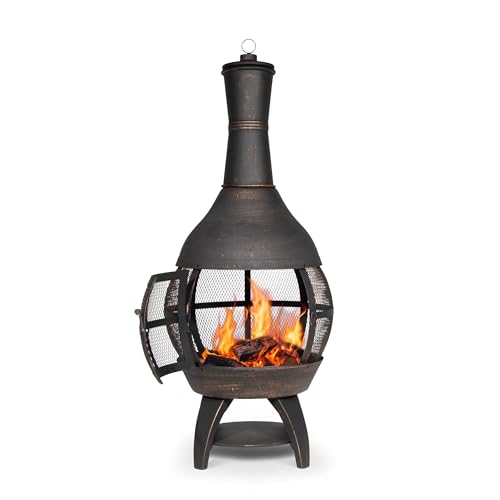
Chimineas provide rustic or Southwestern charm to any outdoor area for entertaining. They are efficient heaters that provide a focal area for gathering with your friends. These fireplaces are also great for creating a striking display in your garden. These fire places that burn wood are constructed in a bell-shaped form with a chimney that is able to direct heat and smoke into the air. The chimney also helps protect the blaze from winds and rain. When the chimineas are lit, they complete their burn in around 15 minutes and release lots of heat. You can use different types of wood, such as aromatic cedar or Hickory.
Chimineas made from clay are the standard option, however modern versions made from copper and cast iron have become increasingly popular. These chimineas are able to be used at higher temperatures than clay chimineas which makes them more flexible and robust. They can also be used to grill and barbecue and for burning wood. A lot of the most modern models come with an adjustable grate that makes it easier to control flames. Chimineas come with a heavy-duty lid that protects it from the elements and a spigot for adding water.
Certain modern clay chimineas have also been heavily coated to resist thermal stresses that can break traditional earthenware items. However, they are brittle and should be placed in a tiled, concrete or stone base to avoid them falling over. They can be used in conjunction with charcoal, wood, and other sources of heat, but they work best with hardwoods such as oak, hickory or Acai.
When choosing plants for the chiminea's surrounding, remember that they should be able to handle heat. chiminea and bbq touch the chiminea. The ideal arrangement for the plants is to be arranged so that they provide a screen or backdrop for your chiminea. Evergreens such as boxwood and holly can add height to the arrangement, while flowers such as roses or lavender can be incorporated to add the color.
In contrast to a fire pit which is open and requires frequent refueling, a chiminea's chimney vents smoke away from the flames, so it's safer to use. It's important to keep flammable materials away from your chiminea and avoid direct contact with water after it has been heated, as this can cause it to crack.
They are easy to maintain.
The type of chiminea you select will depend on the style you wish to achieve, the types available to you, and what you intend to make use of it for. Clay is biodegradable and better for the environment, while metal types can last longer, but require more maintenance (such as coatings to avoid the rust).
Before cleaning a ceramic chiminea it is essential to ensure that it's completely cooled down. Make sure it's in a place that sparks and ash don't fall on anything that's flammable. If you're not sure of how to accomplish this, check with a professional or your local fire department for safety advice.
To clean a Chiminea, dust it thoroughly first to remove dirt and debris. Then, use a sponge or brush to remove the tougher stains. Make sure you make use of a non-flammable cleaner such as bleach or a mild detergent. Once you've finished, rinse off the chiminea using fresh water and allow it to dry completely before reuse.
It's a great idea add a layer sand to the base of the chiminea once it's been dried and cleaned. This will keep the clay stable and cool. This will help it last longer and lower the possibility of cracking. Lava rocks are the best choice, but any sand will work. The lava stones also add an extra layer of insulation, and keep the chiminea cool. This makes it safer to use.
Sanding the chiminea's surface often is the best way to avoid corrosion. However, you should be cautious not to soak it in water as this can lead to cracking. You can then paint the chiminea using a rust-resistant paint, which should protect it from corrosion in the future.
When a chiminea's not in use, it must be covered with a waterproof cover for the chiminea. This will allow it to withstand rain and snow, and will make the chiminea appear more attractive. The cover will protect it from rust and other damages caused by direct sunlight. You can purchase a chiminea cover at the local home improvement store or online.
It is safe
Chimineas can be very safe when used properly. Like all fire apparatuses Chimineas can be hazardous if not maintained. Chimineas can be constructed from clay or metal, and should only be used outdoors. They shouldn't be placed in a flammable building like your home. It is crucial to keep an check on the chiminea in use and never allow it to get too hot. This will stop the chiminea from breaking or becoming damaged. If you see a crack in the chiminea's chiminea's surface, use ceramic caulk, such as RTV silicone high temperature caulk. It is designed to stand up to high temperatures, which is why it is perfect for this application.
Chimines are also susceptible to damage from wind, rain, and snow. It is important to store it in a covered area over the winter to keep it safe from the elements. If you're not sure where to store your chimenea, consult the manufacturer for recommendations. Chimeneas can be stored either in a shed or garage and you can purchase a protective case.
Chimineas, unlike regular fireplaces do not have a tight seal, and provide less control of the flames. They can also release a lot of hot sparks since they don't have a tight seal. If this is a problem you can put chicken wire or small holes in fencing around the perimeter of the stack to help contain the sparks. You can also make your chiminea more secure by using well-seasoned wood, which will generate fewer sparks than wood that is not seasoned.
Although a chiminea may be more user-friendly than an open fire, it's an extremely hot stove and should be kept away from objects that are flammable, such as trees or porch roofs. Be sure to keep pets and children out as it can emit sparks or embers which could burn them. Chimineas should be placed on the hearth of the patio. This is an area that is covered with pavers or other fire-safe materials, to create a safe zone. Chimineas must be placed away from eaves and other overhead objects that could catch fire.